This article originally appeared in my Substack newsletter. Use the box at right to subscribe to monthly posts about gardening in the North.
Some plants really are better than others. Called keystone species, these plants (and animals) play an out-sized role in their ecosystem. Ecologist Robert Paine coined the term in the 1960s when he was studying marine life along the coast of Washington state. He wanted to understand better the food web in one bay along the coast and removed a single starfish species from the bay to see what would happen. Without the starfish, the ecosystem changed rapidly.
Plants That Matter
What does this have to do with your northern garden? Over time, scientists discovered that not only do some animals affect their ecosystem more than others — think bees, wolves in the north woods, beavers and certain song birds — but some plants are much more beneficial to the ecosystem as a whole than others.
Remove these important plants from the environment and caterpillars and bees have fewer sources of nectar and larval food. According to Douglas Tallamy, author of Bringing Nature Home and its follow up book Nature’s Best Hope, about 5 percent of native plants provide 75 percent of the food of many food webs. These plants feed caterpillars, which feed birds, and so on.
Oaks (members of the genus Quercus), for example, attract and sustain caterpillars of more than 400 species in the Eastern Temperate Forest region, which encompasses much of the Midwest and northeast and is one of eight ecoregions in North America. Members of the genus Prunus, which includes cherries and plums, serve 340 species of caterpillars.
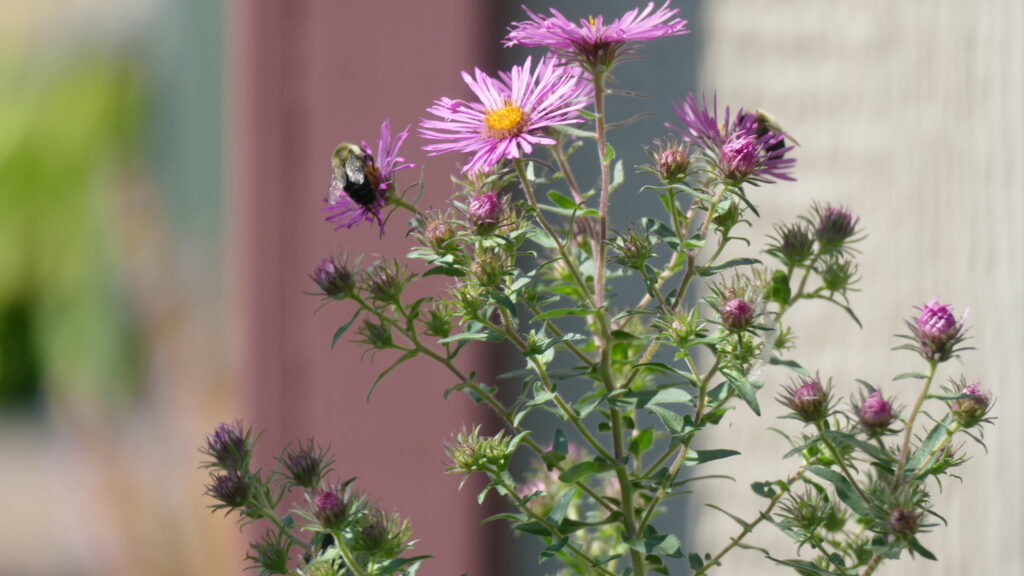
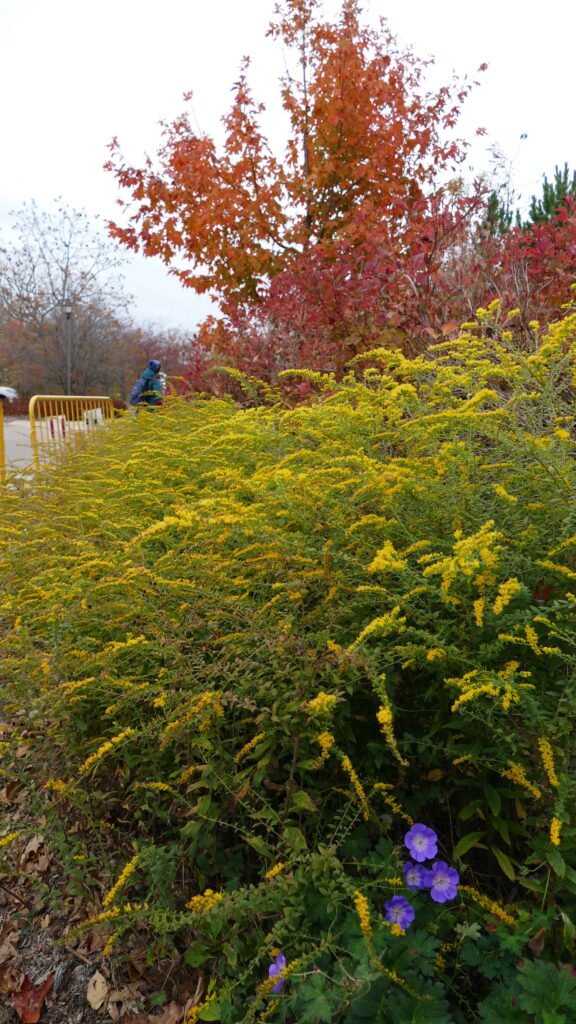
Among shrubs, blueberry (Vacciuium) and willows (Salix) each support over 200 types of caterpillars as well as more than a dozen specialist bee species. Goldenrod (Soldiago), asters (Symphyatrichum), sunflowers (Helianthus) and coneflowers (Rudbeckia) are all significant plants for caterpillars and specialist insects in the Eastern Temperate Forests region.
If you’ve planted any of these in your garden, you probably noticed that suddenly you had more bees and birds.
What’s My Region?
If you live in Minnesota, as I do, you are in a unique situation in that three ecoregions exist in the state. While a big swath of the state is in the Eastern Temperate Forests, much of the western section of the state is in the Great Plains ecoregion, which extends into North and South Dakota, Iowa, Nebraska and Kansas. Oaks, plums and birch are among the most important trees in the Great Plains, as in the temperate forest, but cottonwoods, apples and hickories are also significant species. Serviceberries, dogwoods, maples, pines and elms are all important as are (among perennials) sunflowers, aster, coreopsis and something called curlycup gumweed (Grindella). I had never heard of gumweed but it is native to Minnesota’s prairies. It’s not a super attractive garden plant to humans but 68 specialist bees love it, according to the National Wildlife Federation.
The northern part of Minnesota is in the Northern Forests ecoregion. Significant plants include oaks, plums, willows and birch but also north woods natives such as alder (Alnus), spruce (Picea) and larch (Larix).
Planting is the Key
A few years ago, I reviewed Tallamy’s book, Bringing Nature Home, in which he argues that home gardens can play a big role in preserving habitat and protecting the planet. One of the easiest and most significant ways to bring nature home is to plant several of these keystone species in your garden. A few suggestions:
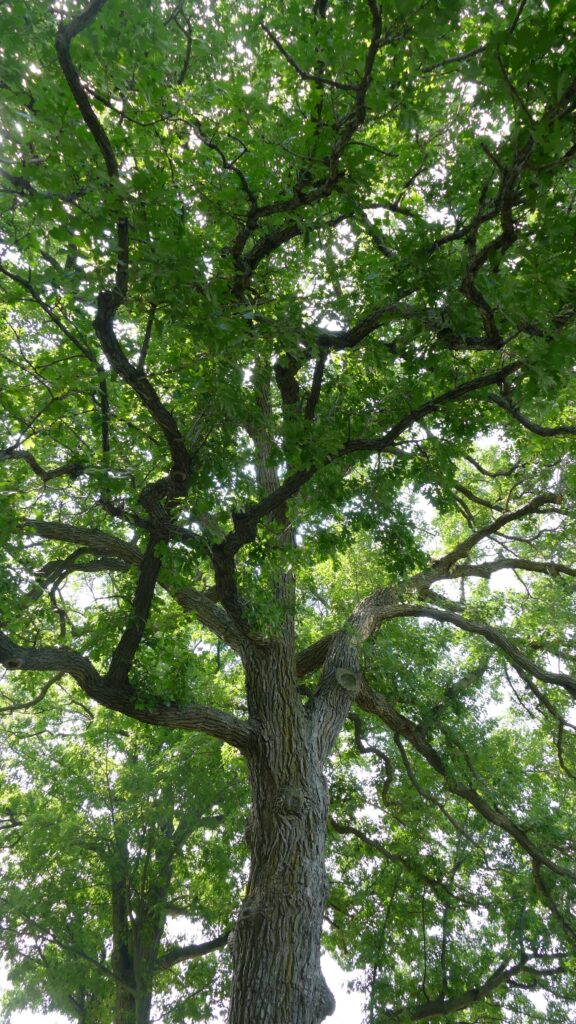
Start with the trees. Keystone species trees generally serve more caterpillars than shrubs and perennials. They also provide shelter for birds and small mammals and sometimes nectar for bees. Beyond that, people are reluctant to cut down trees so what you plant today may still be serving pollinators, birds and other critters long past the time your house is in the hands of another person. The tree below was planted during the Civil War era. Imagine how much life it has supported in its long existence.
Plant like nature. Nature grows in layers, with trees above, understory trees and shrubs below and perennial groundcovers below that. Layers look beautiful but they also support insects and birds by providing diverse sources of food and shelter.
Do all the good stuff. It’s a familiar but important list of things we gardeners can do to support insects and other wildlife. Reduce lawn. Don’t use insecticides. Remove invasive species. Plant fully and with as many native plants as you can.
If you are curious about which keystones species are most important in your area, the National Wildlife Federation has a native plant finder that you can set to your zip code. You might be surprised by the results. In my zip code, for example, willows, plums and birch were more significant keystone species than oaks! Among perennials, wild strawberry (Fragaria) came in just behind goldenrod as an important plant for specialist insects.
How many keystone species are in your garden?
Leave a Reply